An Alpine hotel changing hands: due diligence and repositioning across four seasons
When a mountain hotel changes hands, the risk is buying a building and losing a business. The method is there to prevent that.
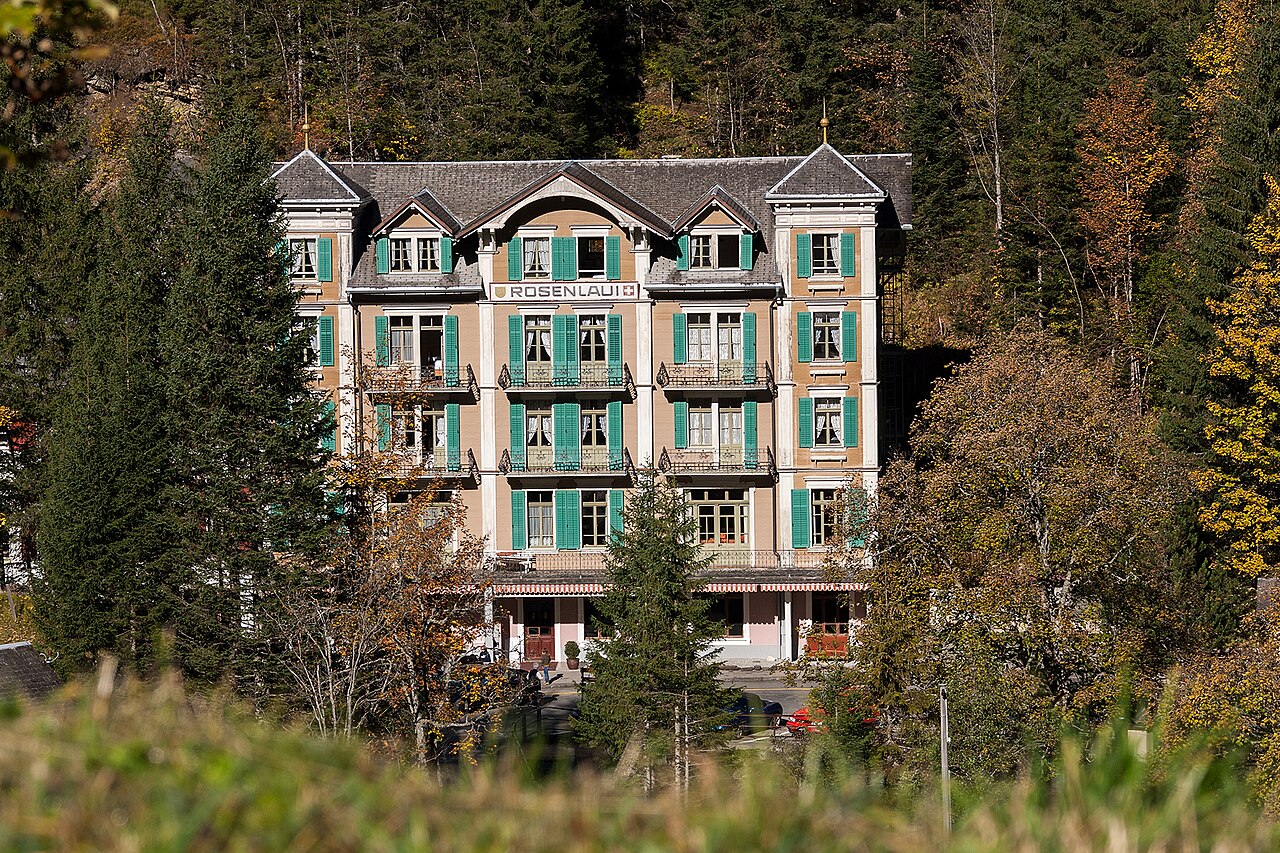
I am advising on a hotel in an Alpine resort that is changing hands. It has a long history, a loyal clientele and a team that knows every room and every regular guest. Today it trades mainly in winter. For the rest of the year it is largely underused.
A change of ownership is the moment when everything can be rethought. It is also the moment when the most expensive mistakes are made. That is why I always start from the same question: what are we really buying?
Due diligence that looks beyond the building
Technical due diligence checks building services, structures, energy efficiency and compliance. Legal and planning due diligence checks title, permitted uses, landscape protection constraints and any irregularities. These steps are necessary, but they are not enough.
In the mountains, context matters. I analyse access in each season, the competition, what the area has to offer, and the existing contracts with suppliers and staff. I study occupancy and revenue data to understand where value is being lost. Often the problem is not the hotel. It is the calendar.
I also look at the accounts with an operational eye. A low margin may stem from the wrong supply contract, from staffing poorly spread across the months, from a sales policy that relies on too few channels. These problems can be solved, but only if they come to light before the change of ownership, not after.
From one season to four
The repositioning plan works on seasonality. A property open for a few months a year carries fixed costs for twelve. The aim is to build a credible offer in spring, summer and autumn too: wellness, outdoor sports, culture, small business meetings.
Each season needs a different clientele. In spring and autumn come small groups, companies and families looking for peace and quiet. In summer, walkers and sports enthusiasts return. The commercial plan sets out an audience, a channel and a matching offer for each period, and is measured on results, not intentions.
This does not mean adding services at random. It means choosing a few, consistent with the place and the clientele, and investing where the effect on revenue and quality can be measured. At altitude, energy efficiency weighs heavily on costs and deserves priority. The product must remain recognisable. Guests who came back every winter must still find the soul of the house.
Before you change a hotel, you have to understand what keeps it alive.
The team as an asset
In a mountain hotel the team is often the real value. Many staff live in the village, have families and know the area. Seasonal work alone forces many young people to leave. Work across four seasons allows them to stay.
The plan provides for keeping the team and for a training programme for the new services. For a small Alpine community this matters as much as the investment in the building. A hotel open all year round also keeps shops, craftspeople, guides and schools alive.
Investors, an operator and a meeting place
The structure I am working on separates the roles. Investors participate through regulated vehicles and authorised partners. A professional hotel operator takes on operational responsibility under a clear agreement. Governance sets objectives, controls and review points.
The hotel management agreement is the most delicate point. It must align interests: part of the operator’s fee linked to results, clear maintenance obligations, service standards, control rights for the owner. A good agreement resolves misunderstandings before they become disputes.
The place also lends itself to a further use: a private venue where families and investors can meet without haste, away from the boardroom. It is not an exclusive club. It is a way of building trust, which remains the raw material of every long-term transaction.
If you are considering a change of ownership in the mountains, or you run a property that trades for only part of the year, we can discuss it in a confidential conversation.
Views expressed are personal. This article does not constitute an offer, a solicitation to invest or investment advice.