A listed historic residence: conservation, new uses and a sustainable financial structure
A villa with a park, protected by the heritage authority, is looking for a future. The task is to find uses that keep it alive without distorting its character, and capital patient enough to see it through.
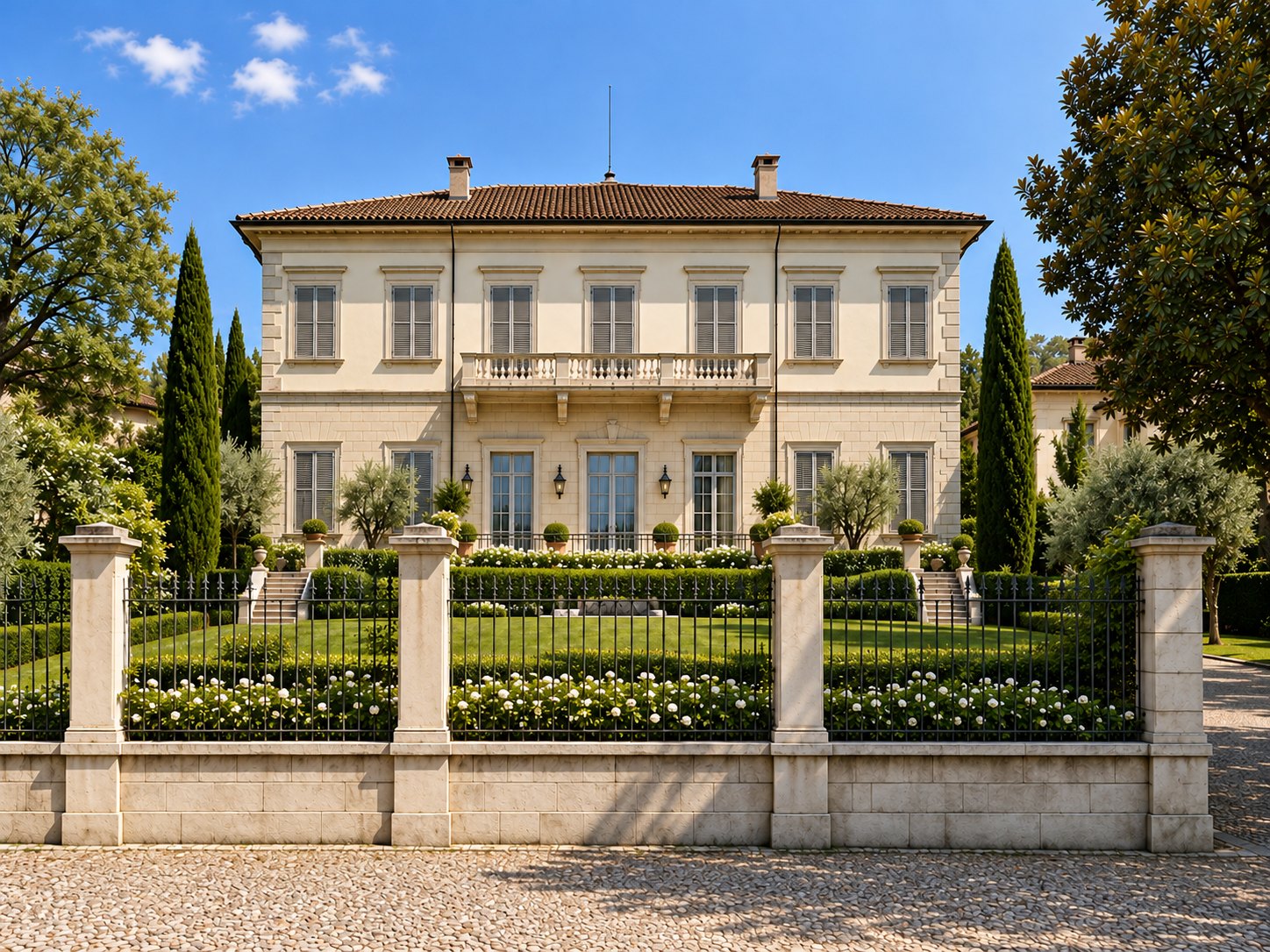
I am working on a listed historic residence in northern Italy, surrounded by a park. It is a place of great beauty and great fragility. For years it has survived on piecemeal maintenance. Today it needs a project that brings together conservation, use and economic sustainability.
Historic residences rarely decline for lack of charm. They decline because conservation costs exceed the income they can generate, and because every intervention requires time and expertise that a family, on its own, struggles to sustain.
The conservation plan with the heritage authority
The first counterparty is not the investor. It is the heritage authority. A heritage listing is not an obstacle to get around. It is the framework within which the project must take shape. That is why the plan provides for early consultation, before any detailed design. A path agreed from the outset reduces variations, suspensions and unforeseen costs. For an institutional investor this predictability is worth as much as the project itself.
With architects and restorers I build a phased conservation plan: roofs, structures, decorative features, building services, park. Each phase has an estimated cost, a timetable and a priority. Planning due diligence clarifies which uses are compatible and which require a change of use, with the related permits.
Uses that keep the house alive
A residence lives if it is lived in. The project combines several functions: small-scale hospitality, spaces for cultural activities, rooms for meetings and training. Each use must respect the rooms, the routes through the house and the load the building can bear.
The business model of a historic residence cannot depend on a single use. Events are irregular, hospitality is seasonal, cultural activities rarely pay for themselves. Together, with a well-built calendar, they can cover running costs and part of the maintenance. The rest must come from patient capital.
The park plays a central role. The plan provides for opening it to the community for events, concerts and activities with local schools and families. A place closed for a long time becomes a shared asset again. This bond protects the residence more than any fence.
A listing is not something to get around. You read it, and it becomes the design of the project.
A viable financial structure
Capital for a project of this kind must be patient and regulated. I am studying two routes, which can also coexist. The first is a dedicated sub-fund within a fund managed by an authorised Italian asset manager (SGR), with clear governance and periodic reporting. The second is the issue of bonds placed through authorised platforms, to finance specific phases of the restoration.
Before any choice is made I prepare a scenario plan: prudent, base and favourable. It shows when the project holds up and under what conditions. It is the tool that allows the SGR or a platform to assess the transaction seriously, and the owners to decide with full awareness.
In both cases my role is one of strategic advice: setting up the project, coordinating the professionals, engaging with the institutions. Fundraising and investment decisions remain with the authorised entities. The value of the project is also measured in energy efficiency compatible with the listing and in local jobs caring for the building and the park.
What it teaches
A historic residence requires long timescales and a clear pact between owners, institutions, community and capital. When each knows what it can ask and what it must guarantee, beauty stops being merely a cost and becomes an asset again. It also means accepting that not everything can be done at once. That is what the phases are for.
If you own a listed residence, or represent an institution interested in supporting its future, we can discuss it in a confidential conversation.
Views expressed are personal. This article does not constitute an offer, a solicitation to invest or investment advice.