A disused industrial site: plans for a green campus for training, housing and work
A production site that has stood idle for years weighs on the area around it. The project is to turn it into a place where people learn, live and work, with energy produced on site.
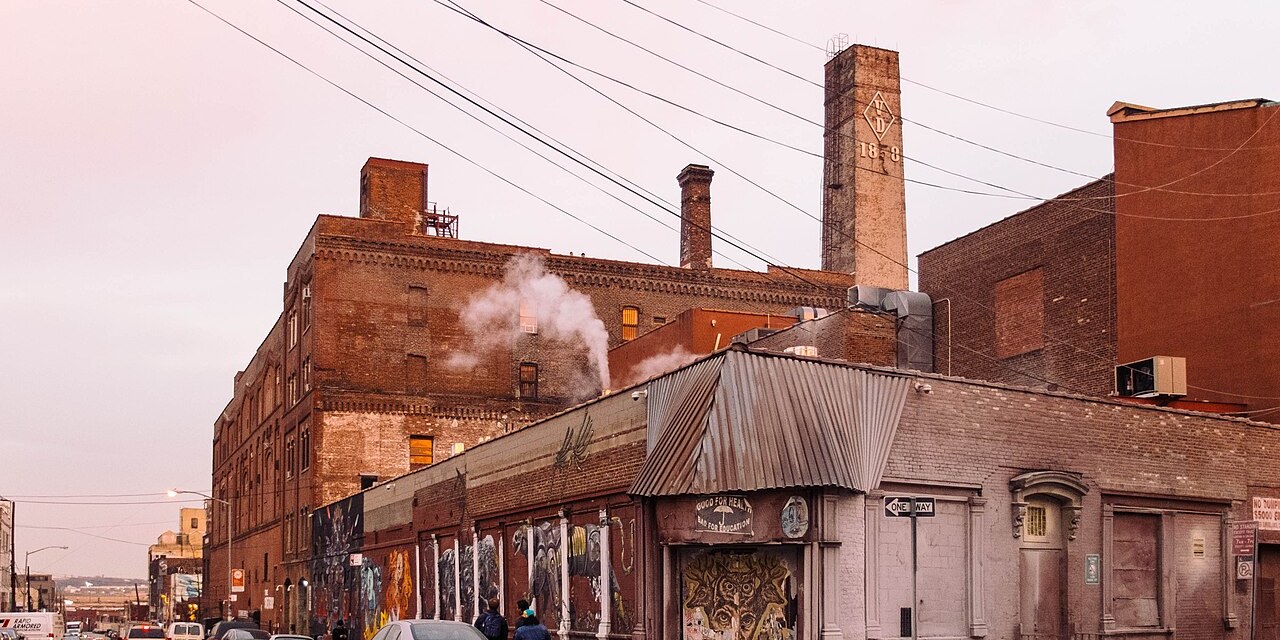
I am working on a large former industrial site in northern Italy, disused for some time. Empty sheds, yards, a site that for generations provided work for the town’s families and now divides the town instead of bringing it together. Those who live nearby see a wall. Those who govern see a problem with no solution.
These sites share three difficulties: remediation, scale, and the lack of a vision that convinces local authorities and capital alike. My work starts here.
Remediation and environmental due diligence
No project is credible without knowing the ground. Environmental due diligence identifies contamination, liabilities, remediation obligations and realistic timescales for completing the work. Planning due diligence clarifies the permitted uses and the route to a change of use.
Remediation is not just a cost. It is the first act of giving back to the area. The plan treats it as a separate phase, with a budget, a timetable and independent oversight, agreed with the competent authorities.
Remediation is often where previous projects stalled. Nobody wanted to bear the risk before knowing what could be built. That is why I work in parallel: soil characterisation and planning discussions proceed together, and the cost of remediation becomes a line in a plan, not an unknown.
A campus for training, housing and work
The project envisages a green campus with three integrated functions. Spaces for technical and vocational training, in dialogue with local colleges and businesses. Housing for students, young workers and families, with a share at affordable rents. Workspaces for small businesses, workshops and services.
Training is the engine of the project. An area that has lost its industry often retains a culture of technical work. The campus puts it back into circulation through programmes linked to the trades of the energy transition, maintenance and digital, built together with the businesses looking for these skills.
Reusing existing buildings, where the structure allows, reduces land take and preserves the memory of the place. Outdoor areas become accessible green space. The campus must be open to the town, not a new enclosure in place of the old one.
A disused site is regenerated with the community around it, not against it. Otherwise it stays idle.
Energy and sustainable finance
Large industrial roofs are a resource. The plan provides for solar panels, storage systems and an energy community that shares power with residents, businesses and services on the campus and in the surrounding areas. The energy efficiency of the buildings is a design requirement, not an add-on. The energy community also has a direct social value: nearby families can take part and reduce their bills. For those in difficulty it is concrete, lasting help.
These features make the project well suited to sustainable finance: green bonds for specific environmental works, sustainability-linked financing with measurable targets on energy and emissions. The capital comes from authorised partners, with verifiable impact reporting.
Dialogue with local authorities
A project of this scale requires ongoing dialogue with the municipality and the other authorities. I present clear numbers, timescales and commitments: jobs, services to the community, infrastructure works, the remediation timetable. I listen to local needs before designing the functions. Administrations change, and so do priorities. A solid project withstands these changes because it meets real needs.
The social value is measured in people. Young people who train close to home. Families who find sustainable housing. Businesses that find space and skills. That is what makes a transaction solid in financial terms too.
If you are responsible for a disused site, as an owner, a public administrator or an institutional investor, we can discuss it in a confidential conversation.
Views expressed are personal. This article does not constitute an offer, a solicitation to invest or investment advice.